A Quiet Shift in How India Travels
For decades, hill travel in India followed a predictable calendar. Summer meant escape, queues, and crowded viewpoints. Monsoon meant cancellation. But over the last few years, this pattern has begun to change. Travellers are rethinking when and why they go to the mountains, and the off-season is no longer seen as a compromise. It is becoming a conscious choice.
This shift is especially visible among those researching places to visit in Uttarakhand. Instead of chasing peak-season visibility, travellers are prioritising atmosphere, space, and experience. And that experience, increasingly, is shaped by the monsoon.
Understanding the Monsoon Advantage
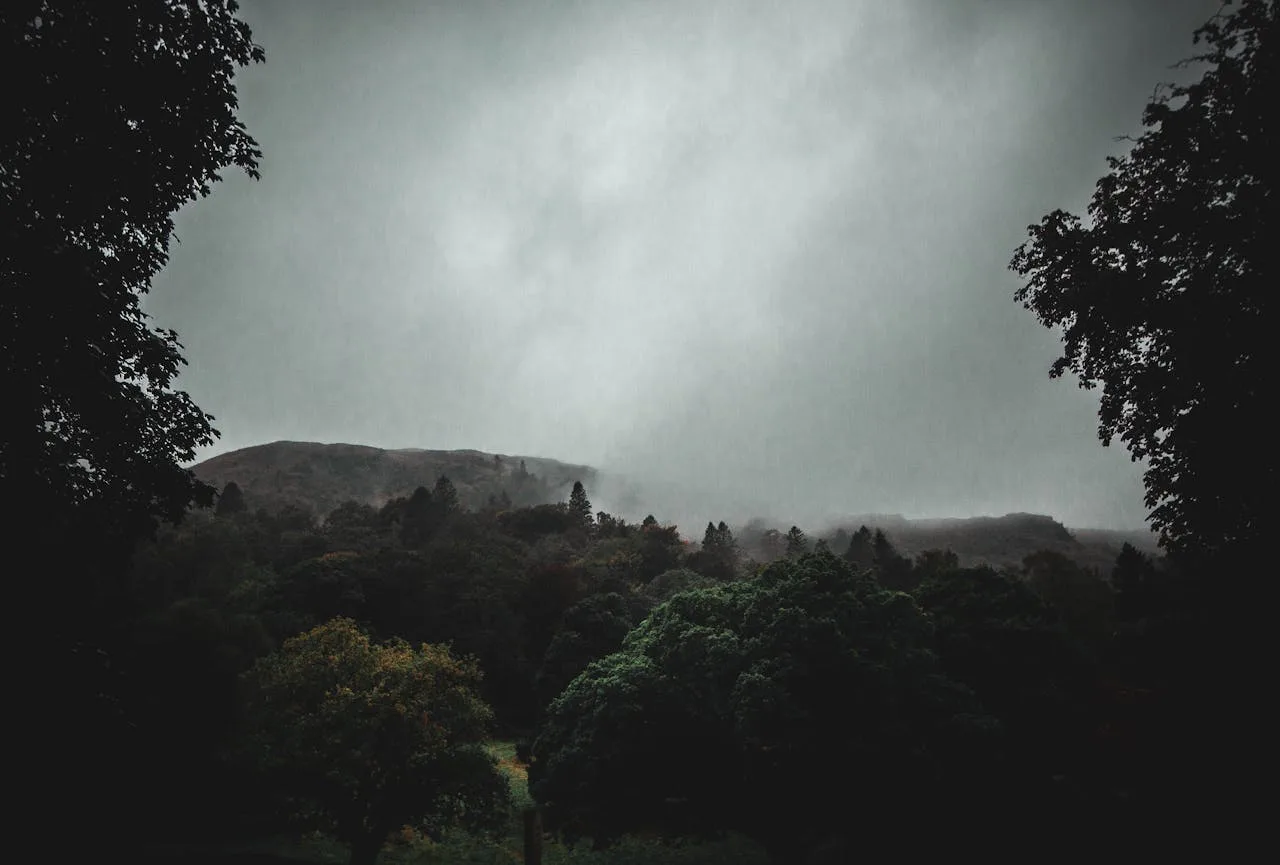
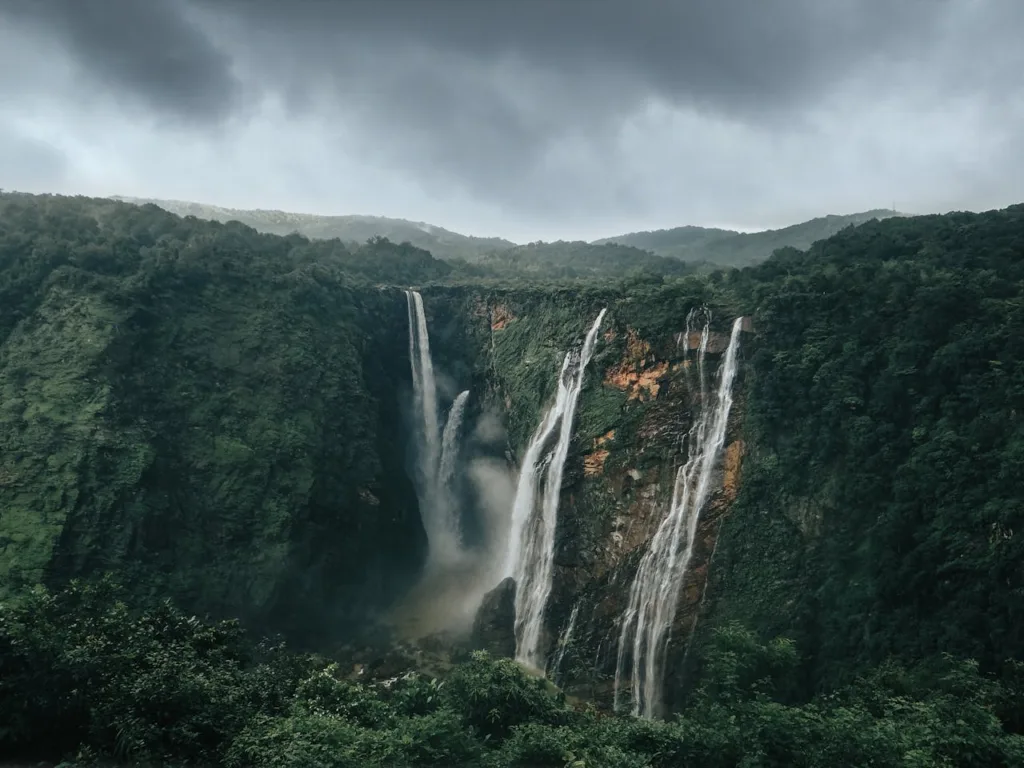
Monsoon in Uttarakhand transforms the landscape in ways no other season can. Forests regenerate, rivers swell back to life, and the air becomes noticeably cleaner. The hills take on deeper shades of green, and mornings arrive wrapped in mist rather than glare.
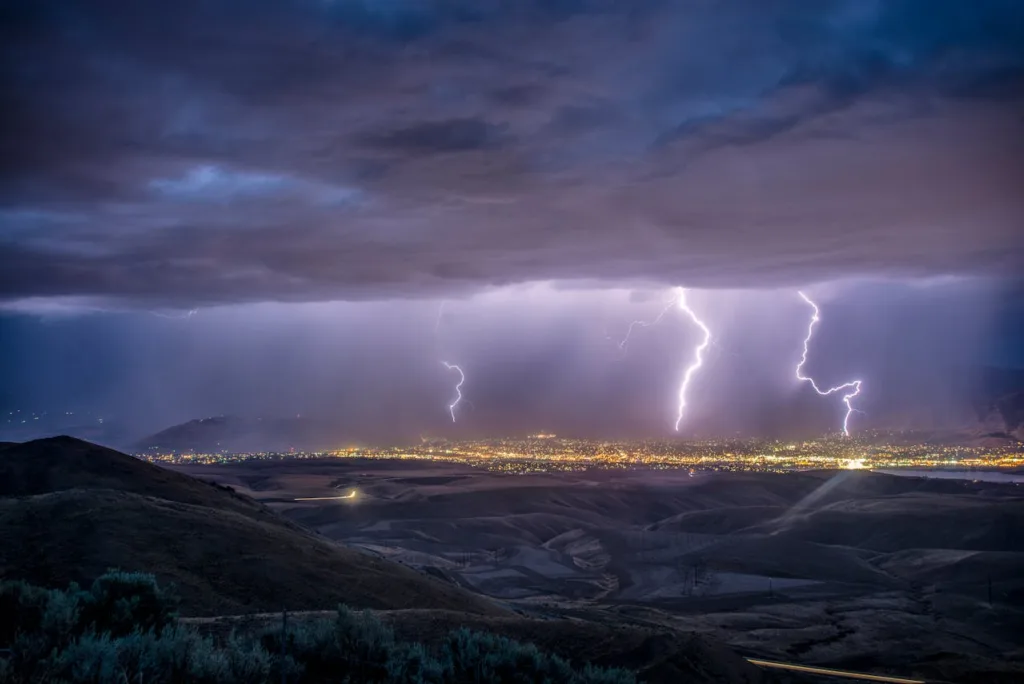
From an environmental perspective, this is when the region is at its most alive. For travellers, it means softer light, cooler temperatures, and a pace that naturally slows down. This is why many seasoned travellers now consider the hills among the best places to visit in monsoon. Provided one travels thoughtfully and avoids extreme weather zones.
Why Off-Season Means Better Experiences
One of the biggest differences between peak and off-season travel is crowd density. During summer, popular hill stations near Delhi often feel overwhelmed. Traffic congestion, overbooked hotels, and limited access to quiet spaces. In contrast, the monsoon months thin out tourism significantly.
This creates a vastly different experience across hill stations in India. Roads are calmer, cafés linger longer, and local communities have more time to engage with guests. Many travellers now report that their most memorable stays happened when the hills were quieter, not busier.
It’s also during this period that some of the best hill stations in India feel most authentic. Without the pressure of peak tourism, destinations return to their natural rhythm.
Uttarakhand: A Case for Off-Season Travel
Among mountain places in India, Uttarakhand stands out for its diversity of altitude, culture, and accessibility. While summer brings crowds to well-known towns, the monsoon reveals a different side of the region.
Several hill stations in Uttarakhand become deeply immersive during this time. Forest trails are lush, birdlife is active, and cloud movement adds drama to the landscape. For travellers willing to choose carefully, the best hill stations in Uttarakhand during monsoon are often those slightly away from the mainstream circuit.
These destinations also tend to be less crowded hill stations. Offering space for reflection rather than rushed sightseeing.
Monsoon Travel and the Rise of Slow Tourism
India’s travel audience has matured. There is a noticeable rise in travellers choosing longer stays, flexible schedules, and wellness-oriented trips. This has fuelled interest in monsoon destinations in India that support rest, writing, creative work, and mindful exploration.
For many, places to visit in monsoon near Delhi are no longer judged by how many attractions they offer, but by how they make one feel. Misty mornings, quiet verandahs, and rain-washed forests encourage a form of travel that is restorative.

Practical Wisdom Behind the Romance
Travelling during the monsoon does require awareness. Choosing stable-access locations, staying informed about weather conditions, and selecting properties experienced in off-season hosting are key. When done right, the rewards far outweigh the risks.
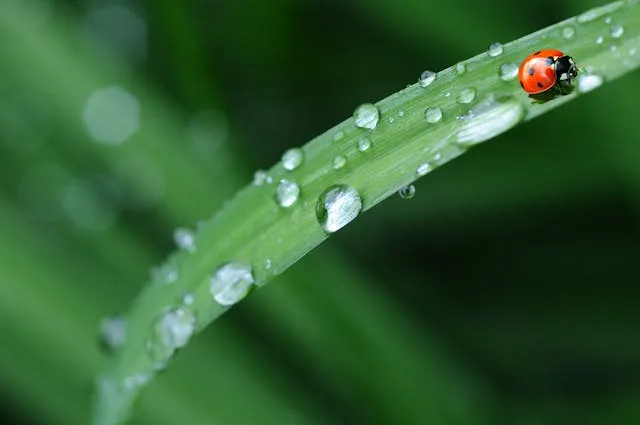
The reason monsoon travel feels so different is simple: the mountains stop performing. There are no guarantees of views, no pressure to rush. Beauty appears slowly, often unexpectedly. And that uncertainty invites presence.
Why the Off-Season Is No Longer “Off”
The idea of off-season travel is being rewritten. For today’s traveller, it represents intention, not inconvenience. It’s about stepping outside collective timing and choosing a more personal rhythm.
In the hills, especially, this choice changes everything. The monsoon doesn’t take beauty away from the mountains. It reveals a quieter, deeper version of it.
And for those willing to meet the hills on their own terms, that version often stays with them the longest.